
Antarctic Cold Persists Into August; Patagonia’s Two-Week Freeze As Andes Snow Nears 22 Feet; Russia Opens August Cold; + Climate Anxiety Thrives On Missing Context
Study: The more you know about the climate, the less you worry. Ignorance isn’t bliss in this case; it leaves you vulnerable to propaganda.

Antarctic Cold Persists Into August
The deep Antarctic freeze is refusing to ease.
At the South Pole Station, July averaged approximately -64.3C (-83.7F), some 4.1C below the station’s seasonal norm. This ties with 1969 as the fourth-coldest July and ranks joint seventh-coldest among ALL months in records dating back to 1957.
Minimum temperatures fell below -70C (-94F) on 12 days during the month, tying the station record set in July 1986.
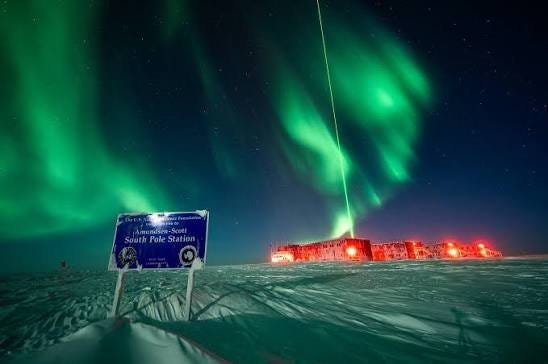
Conditions were similarly severe at Vostok Station.
Its provisional July mean stands at -71.6C (-96.9F), some 6.2C below the average and the station’s fourth-coldest July in books back to 1958. Only July 1983 (-73.8C), 1997 (-72.9C) and 1979 (-72.3C) were colder.
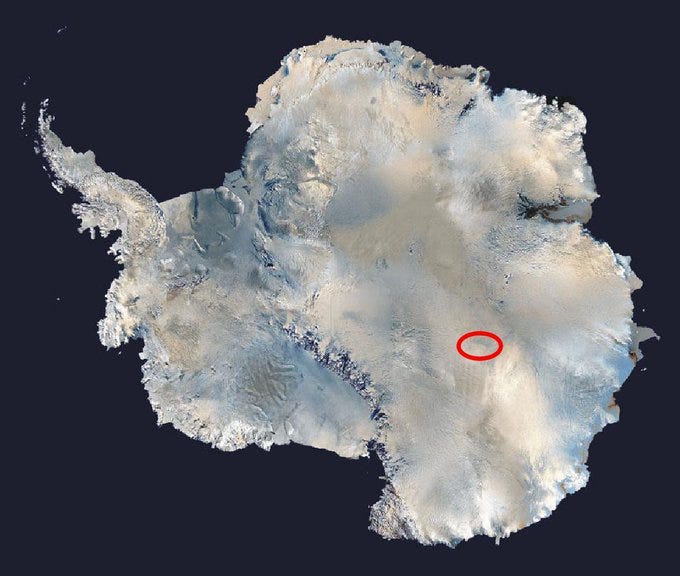
The cold has now persisted into August, too.
On Aug 1, the South Pole recorded a low of -73.2C, with a daily mean of -71.6C—11.5C below the August norm.
Patagonia’s Two-Week Freeze As Andes Snow Nears 22 Feet
Southern South America’s winter onslaught has carried also into August.
At El Calafate, Santa Cruz, a station tally puts the latest ‘cold wave’ at 14 consecutive days, ending July 31 — the city’s third-longest cold wave in weather books dating back to 1961. Only the 16 day stretches in 1982 and then in 2001 were longer.
